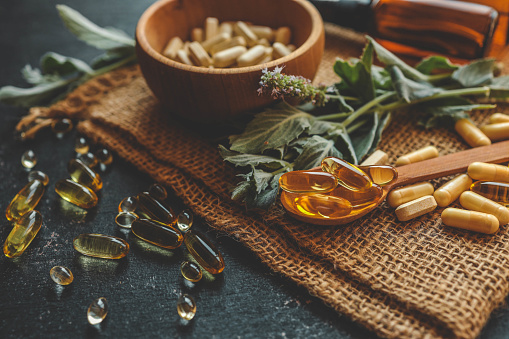
For seniors, maintaining optimal brain health is a key factor in preserving independence and quality of life, and multivitamins may play a supportive role. Certain vitamins and minerals, such as B-complex vitamins, vitamin D, vitamin E, and antioxidants like zinc and selenium, are essential for proper nerve function, neurotransmitter production, and protection against oxidative stress. […]
Can Dementia be Hereditary?
Dementia can sometimes be hereditary, but in most cases, it is not directly passed down from parent to child. The most common form of dementia, Alzheimer’s disease, is typically influenced by a combination of age, lifestyle, and environmental factors rather than a single inherited gene. While having a family member with dementia may increase a person’s […]

The Benefits of Mindfulness Exercises
Mindfulness exercises offer meaningful benefits for seniors by helping them stay present, calm, and more connected to their daily experiences. Simple practices like focused breathing, gentle body awareness, or quiet reflection can reduce stress and promote a sense of inner peace. As people age, they often face changes in health, routine, or independence, and mindfulness […]

Finding a New Hobby Later in Life
Finding a new hobby as a senior isn’t about starting over—it’s about rediscovering curiosity and choosing activities that fit your current lifestyle, energy level, and interests. A good place to begin is by reflecting on what you’ve always enjoyed or wished you had more time for. Maybe it’s creative pursuits like painting or writing, hands-on […]

The Many Benefits of Social Relationships for Seniors
Social relationships play a vital role in supporting the overall health and well-being of older adults. As people age, life transitions such as retirement, relocation, or the loss of loved ones can lead to increased isolation. Maintaining meaningful connections with friends, family, and community members helps counteract loneliness and provides a sense of belonging and […]

No Time to Visit the Gym? Try These at Home Options Instead
For older adults who can’t make a trip to the gym or who prefer to exercise at home, there are many effective workouts that are safe, convenient, and require little to no equipment. Low-impact cardio can be done in small spaces and helps improve heart health without stressing the joints. Marching in place, gentle step-ups […]